
Introduction
Cardiovascular diseases remain one of the leading causes of mortality worldwide, affecting millions of people across all age groups. Rising cases of hypertension, heart failure, coronary artery disease, arrhythmias, dyslipidemia, and metabolic disorders have significantly increased the global demand for innovative cardiovascular therapies.
Modern cardiology is now rapidly evolving from conventional treatment approaches toward precision medicine, targeted therapies, biologics, RNA-based therapeutics, and advanced combination formulations. New-generation cardiovascular molecules are helping improve patient survival, reduce hospitalization rates, and enhance long-term heart health outcomes.
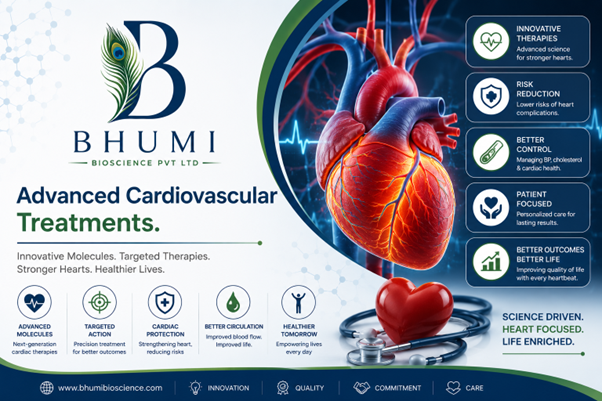
Bhumi Bioscience Private Limited is committed to supporting pharmaceutical innovation through quality-oriented manufacturing systems, advanced formulation approaches, and globally aligned healthcare standards.
The Global Burden of Cardiovascular Diseases
Cardiovascular diseases (CVDs) include:
- Coronary artery disease
- Heart failure
- Hypertension
- Stroke
- Dyslipidemia
- Peripheral vascular disorders
- Cardiac arrhythmias
Major risk factors contributing to heart diseases include:
- Sedentary lifestyle
- Obesity
- Diabetes
- Smoking
- Stress
- High cholesterol
- Unhealthy dietary habits
- Aging population
The increasing prevalence of cardiovascular disorders continues to drive pharmaceutical innovation globally.
Evolution of Cardiovascular Medicines
Traditional Cardiovascular Therapies
Conventional cardiovascular medicines have played a critical role for decades, including:
- Beta blockers
- ACE inhibitors
- Calcium channel blockers
- Diuretics
- Statins
- Anticoagulants
While highly effective, modern medicine is now shifting toward more targeted and personalized cardiovascular treatment approaches.
Rise of Precision Cardiology
Precision cardiology focuses on tailoring treatments according to:
- Genetic factors
- Biomarkers
- Metabolic profiles
- Disease progression patterns
This advanced approach allows:
- Improved therapeutic outcomes
- Reduced side effects
- Better patient compliance
- Personalized disease management
Modern cardiovascular drug development increasingly integrates genomics, biotechnology, and AI-assisted research.
New and Advanced Molecules in Heart Health
PCSK9 Inhibitors: Advanced Cholesterol Management
PCSK9 inhibitors have transformed lipid management by significantly lowering LDL cholesterol levels.
Benefits include:
- Powerful LDL reduction
- Cardiovascular risk reduction
- Better management of resistant hypercholesterolemia
- Improved outcomes in high-risk patients
These therapies are particularly important for patients who do not achieve adequate cholesterol control with conventional statins.
SGLT2 Inhibitors: Beyond Diabetes Care
Originally developed for diabetes management, SGLT2 inhibitors have demonstrated major cardiovascular benefits.
They are now widely used in:
- Heart failure
- Chronic kidney disease
- Cardiometabolic syndrome
Key advantages include:
- Reduced hospitalization risk
- Improved cardiac outcomes
- Renal protection
- Better fluid management
This class represents one of the most important breakthroughs in modern cardiovascular medicine.
ARNIs: A New Era in Heart Failure Therapy
Angiotensin Receptor-Neprilysin Inhibitors (ARNIs) have significantly improved treatment outcomes in heart failure patients.
These advanced molecules help:
- Improve cardiac efficiency
- Reduce mortality risk
- Lower hospitalization rates
- Enhance quality of life
ARNIs have become an important component of modern heart failure management protocols.
Novel Anticoagulants and Antithrombotic Therapies
Blood clot prevention remains essential in cardiovascular care.
Advanced anticoagulant therapies now offer:
- Predictable pharmacological action
- Reduced bleeding complications
- Convenient dosing
- Improved patient adherence
These therapies are widely used in:
- Atrial fibrillation
- Stroke prevention
- Deep vein thrombosis
- Pulmonary embolism
RNA-Based Cardiovascular Therapeutics
RNA technology is becoming one of the most exciting areas in cardiovascular drug development.
Emerging RNA-based therapies aim to:
- Silence harmful genes
- Regulate lipid metabolism
- Reduce inflammatory pathways
- Prevent cardiovascular complications
These next-generation therapies may reshape the future of preventive cardiology.
Anti-Inflammatory Approaches in Heart Disease
Research increasingly shows that chronic inflammation contributes significantly to cardiovascular diseases.
Modern therapies are targeting inflammatory pathways to:
- Stabilize arterial plaques
- Reduce vascular damage
- Prevent cardiac events
- Improve long-term outcomes
This represents a major shift in cardiovascular treatment philosophy.
Personalized Combination Cardiovascular Therapy
Combination therapies are becoming increasingly important in managing complex cardiovascular conditions.
Advantages include:
- Better disease control
- Reduced pill burden
- Improved patient compliance
- Synergistic therapeutic action
Fixed-dose combinations are especially valuable for patients with:
- Hypertension
- Diabetes
- Dyslipidemia
- Heart failure
Biotechnology and AI in Cardiovascular Drug Discovery
Artificial intelligence and biotechnology are accelerating innovation in cardiovascular medicine.
AI-assisted technologies support:
- Drug discovery
- Biomarker identification
- Risk prediction
- Clinical trial optimization
- Precision treatment planning
Biotechnology platforms are helping develop safer and more targeted cardiovascular therapies.
Pharmaceutical Manufacturing Challenges in Advanced Cardiovascular Medicines
Manufacturing next-generation cardiovascular formulations requires sophisticated pharmaceutical systems.
Key challenges include:
High Precision Formulation
Advanced molecules require strict dosage accuracy and consistency.
Stability Management
Many cardiovascular medicines require controlled stability conditions for maintaining therapeutic effectiveness.
Modified Release Technologies
Extended-release systems help optimize:
- Drug absorption
- Therapeutic duration
- Patient compliance
Regulatory Compliance
Cardiovascular medicines must comply with:
- WHO-GMP
- EU-GMP
- USFDA-oriented systems
- ICH guidelines
Advanced Drug Delivery Technologies in Cardiology
Modern cardiovascular therapies increasingly utilize:
- Sustained-release tablets
- Nanoformulations
- Lipid-based delivery systems
- Transdermal technologies
- Injectable biologics
These innovations improve therapeutic efficiency and patient outcomes.
Global Demand for Cardiovascular Medicines
The global cardiovascular pharmaceutical market continues to grow due to:
- Rising aging population
- Increasing lifestyle disorders
- Higher incidence of obesity and diabetes
- Improved disease awareness
- Expanding healthcare infrastructure
Emerging markets in:
- Asia
- Africa
- Middle East
- Latin America
are creating strong opportunities for pharmaceutical manufacturers focused on cardiovascular healthcare.
Sustainable Future of Heart Health Therapy
The future of cardiovascular medicine is moving toward:
- Precision medicine
- Preventive cardiology
- AI-integrated healthcare
- Digital patient monitoring
- Gene-based therapies
- Advanced biologics
- Personalized treatment platforms
Continuous pharmaceutical innovation will play a critical role in improving global cardiovascular health outcomes.
Bhumi Bioscience Private Limited: Supporting Pharmaceutical Innovation
Bhumi Bioscience Private Limited is dedicated to supporting modern pharmaceutical manufacturing through:
- Quality-driven operations
- Advanced formulation capabilities
- Regulatory-focused systems
- Global healthcare vision
- Innovation-oriented pharmaceutical solutions
The company aims to contribute toward accessible, reliable, and globally competitive healthcare products.
Conclusion
The cardiovascular pharmaceutical industry is experiencing a major transformation driven by precision medicine, advanced biologics, RNA technologies, and next-generation therapeutic molecules.
Modern cardiovascular therapies are improving patient survival, reducing disease burden, and enhancing long-term heart health worldwide.
As healthcare systems continue evolving, pharmaceutical manufacturers with strong quality standards, innovation capabilities, and regulatory excellence will remain essential in shaping the future of global heart care.
With a commitment to pharmaceutical quality and innovation, Bhumi Bioscience Private Limited continues to support the advancement of modern cardiovascular healthcare solutions and pharmaceutical manufacturing excellence.